
Guide · Damp & timber
Damp in Cornish Homes: Causes, Diagnosis & When to Get a Survey
A Cornwall surveyor’s guide to condensation, penetrating damp and rising damp in Cornish granite and cob homes — and why forensic diagnosis saves money.
Why Cornish homes are prone to damp
Cornwall’s housing stock is full of character: solid granite and killas stone walls, cob cottages, slate roofs and lime mortars. These traditional buildings were designed to breathe — moisture moves in and out of the walls naturally. Add mild, wet Atlantic weather, salt-laden coastal winds and modern alterations such as cement render, gypsum plaster or impermeable paints, and moisture can become trapped.
Whether you own a fisherman’s cottage in St Ives, a terrace in Camborne or a farmhouse near Bodmin, understanding which type of damp you are dealing with is the first step to fixing it properly.
Condensation — the most common culprit
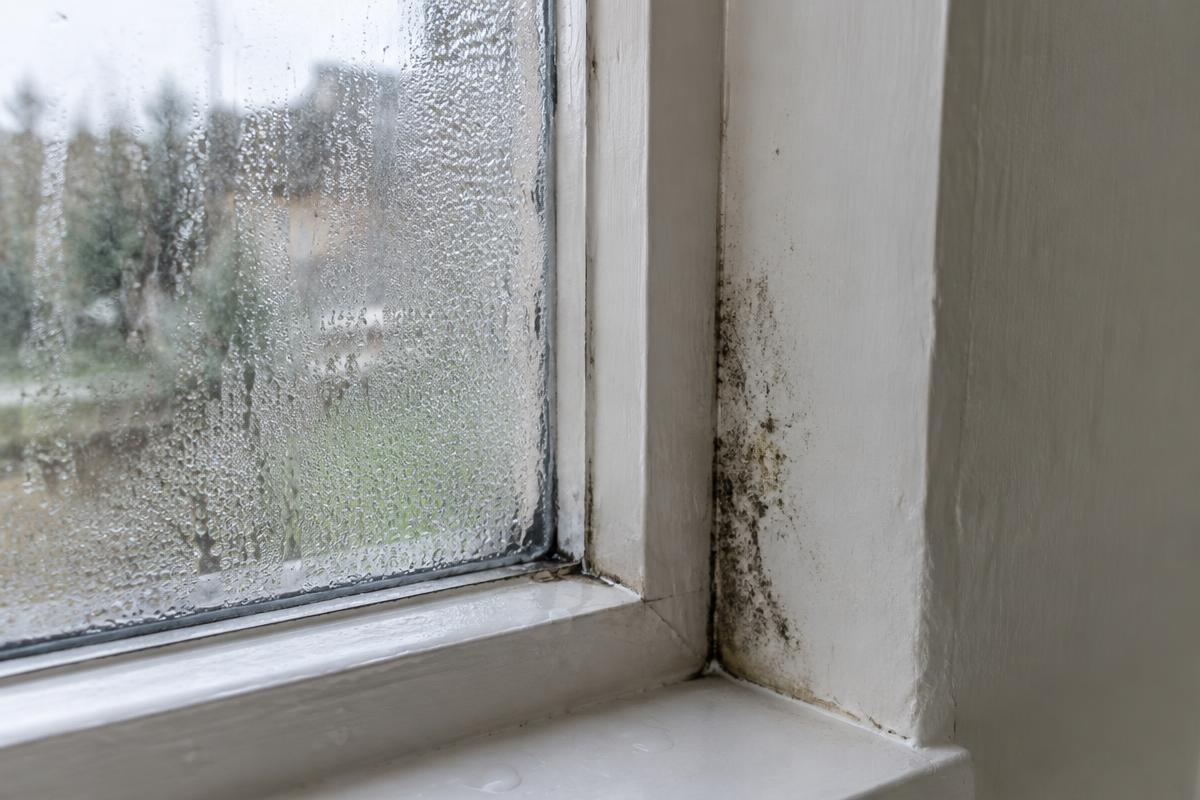
Condensation is by far the most frequent form of dampness found in Cornish homes. Warm, moist air from cooking, bathing and drying clothes meets cold surfaces such as windows and solid external walls, and turns back into water. The tell-tale signs are black mould in corners, behind furniture and around window reveals.
The good news is that condensation is usually managed by improving ventilation, heating and moisture control — not by expensive damp-proofing works.
Penetrating damp from the outside
Driving rain is a fact of life in Cornwall. Blocked or leaking gutters, cracked slates, failed pointing, defective chimney flashings and high external ground levels all allow water into the building. Damp patches that worsen after storms are a strong indicator. Repairs are often simple maintenance once the source is correctly identified.
Rising damp — rarer than you think
True rising damp does exist, but it is frequently misdiagnosed. A quick reading with a moisture meter cannot confirm it — meters are designed for timber and give misleading results on masonry and salt-contaminated plaster. Misdiagnosis can lead to thousands of pounds spent on unnecessary chemical injection.
Proper diagnosis involves moisture profiling: drilled samples taken from the wall and tested for moisture content and ground salts (chlorides and nitrates).
Timber decay: wet rot, dry rot and woodworm
Persistent damp can lead to fungal decay in floor joists, skirting boards and roof timbers. Correct identification matters: wet rot and dry rot are treated very differently, and not every woodworm infestation is still active or needs treatment.
When should you get a damp and timber survey?
Before buying a property — particularly an older stone or cob house — a mortgage approved damp and timber survey gives you clear, independent advice. It is also worthwhile if you have persistent mould, have been quoted for damp-proofing works and want a second opinion, or are planning to convert a basement or lower ground floor.
An independent surveyor has nothing to sell you except accurate advice, so recommendations are based on the evidence rather than on selling treatments.
Need a damp survey in Cornwall?
CJS covers the whole county, from Penzance and St Ives to Truro, Newquay, St Austell, Bodmin and Saltash.
07890 528312